
Legionnaires’ Disease & Cooling Towers: What Every Facility Owner Should Know
What is Legionnaires’ Disease?
Legionnaires’ disease is a severe form of pneumonia caused by the bacterium Legionella. It becomes a serious health concern when people inhale tiny water droplets (aerosols) contaminated with the bacteria. Symptoms often include cough, shortness of breath, fever, muscle aches, and headaches — and in severe cases, it can be life-threatening, particularly for older adults or individuals with weakened immune systems.
Why Cooling Towers Are a Known Risk
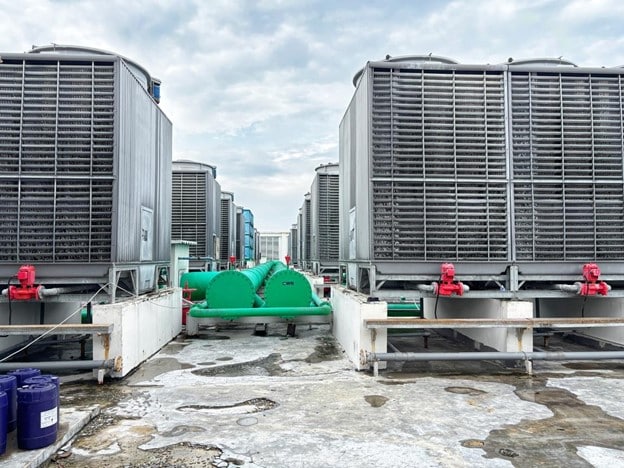
Cooling towers are essential components of many commercial and industrial HVAC systems. They remove heat by evaporating water, which creates a visible mist or “drift.” If not properly maintained, these systems can become ideal breeding grounds for Legionella.
- Warm water temperatures create favorable conditions for bacterial growth.
- Stagnant water zones allow bacteria to multiply unchecked.
- Accumulation of biofilm, scale, and debris shields bacteria from disinfectants.
- Inadequate disinfection leaves contamination unaddressed.
Once contaminated, cooling towers can disperse bacteria over a wide area through airborne droplets, potentially exposing building occupants and even people outside the property.
How Outbreaks Occur
Outbreaks of Legionnaires’ disease are often traced back to poorly maintained water systems. A single contaminated cooling tower can impact multiple buildings or neighborhoods depending on wind conditions and system design. Common contributing factors include:
- Lack of a formal water management plan
- Irregular cleaning and disinfection schedules
- Improper chemical treatment levels
- Equipment design issues that allow water stagnation
Prevention: Best Practices for Cooling Tower Safety
Preventing Legionnaires’ disease is entirely achievable with proactive maintenance and compliance. Key best practices include:
- Implement a Water Management Plan. Follow guidelines from organizations like the Centers for Disease Control and Prevention and ASHRAE (especially Standard 188). A documented plan ensures consistent monitoring and accountability.
- Routine Cleaning & Disinfection. Cooling towers should be cleaned and disinfected at least twice a year — or more frequently depending on usage and environmental conditions.
- Maintain Proper Chemical Treatment. Consistent biocide levels are critical to controlling bacterial growth. Water chemistry should be tested regularly and adjusted as needed.
- Inspect for Scale, Biofilm, and Debris. Physical buildup provides a protective environment for bacteria. Regular inspections and mechanical cleaning are essential.
- Monitor System Performance. Ensure proper water flow, eliminate dead legs, and maintain drift eliminators to minimize aerosol spread.
Regulatory & Liability Considerations
Many states and municipalities now have strict regulations regarding cooling tower maintenance due to past outbreaks. Non-compliance can result in significant fines, mandatory shutdowns, and legal liability for illness or death. Beyond compliance, there is a reputational risk — especially for facilities like hospitals, hotels, and large commercial properties.
Why Professional Maintenance Matters
Cooling tower cleaning and maintenance require specialized training, equipment, and knowledge of safety standards. Partnering with an experienced service provider ensures proper documentation for compliance, safe handling of chemicals and contaminants, and thorough cleaning that reduces risk at the source.
Protect Your Facility Before It Becomes a Problem
Legionnaires’ disease is preventable — but only with diligence. Cooling towers are a critical piece of infrastructure that demand attention, not just for operational efficiency, but for public health and safety. A proactive approach to maintenance protects your building, your people, and your reputation. If your facility operates a cooling tower, now is the time to ensure your systems are clean, compliant, and under control. Contact Guardian Services today for a no-obligation quote, or call (469) 527-5433 to get started.